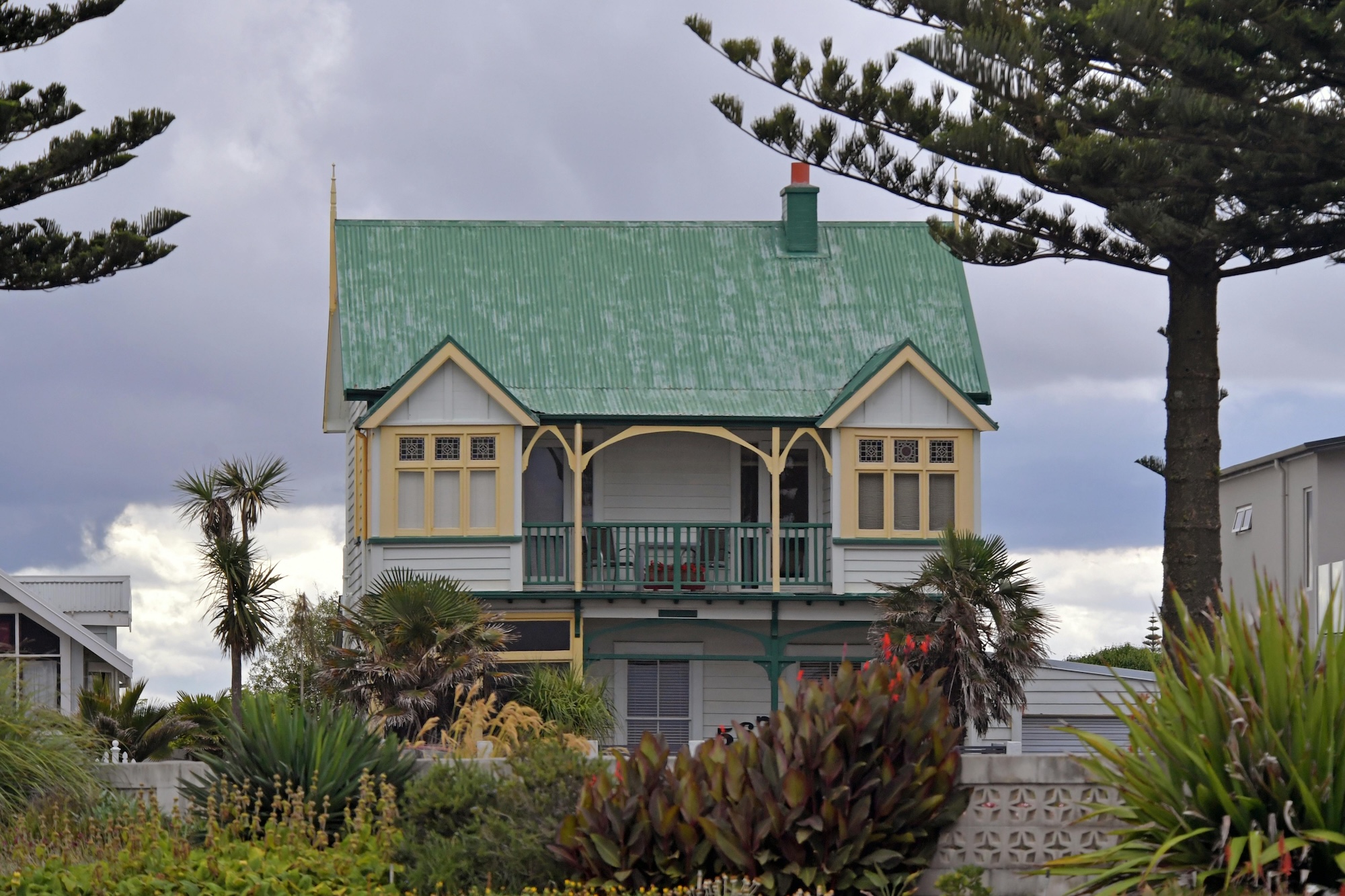
Old homes have a pull. High ceilings, ornate cornices, timber floors that creak just enough to remind you they’ve been around a while. Beautiful. But beauty isn’t cheap.
The last time I walked through a 1920s weatherboard slated for restoration, the owner thought a quick cosmetic upgrade would do the trick. Fresh paint, maybe a kitchen redo. Two weeks later, we found structural issues under the floor. Termites. Dodgy wiring. Suddenly, that “quick fix” turned into a full-blown project.
That’s the thing with character homes. What you see is rarely the full story. Costs creep in quietly, then all at once.
Hidden Problems Lurking Beneath
You don’t just renovate an older home. You uncover it. Layer by layer. And sometimes, you wish you hadn’t.
Behind walls, there’s often outdated plumbing, brittle electrical systems, or insulation that barely exists. Roofs sag. Foundations shift. And every fix leads to another discovery. Fun, right?
I once saw a client budget $80,000 for updates. They ended up spending closer to $180,000. Not because they went fancy. Because they had to. Safety and compliance aren’t optional.
If you’re thinking about tackling one of these homes, slow down. Really look. Get proper inspections. Then double your expectations. Not being dramatic. Just realistic.
Labour, Materials, and the Premium Factor
Restoring a character home isn’t like working on a new build. You can’t just swap things out with off-the-shelf solutions. Everything needs care. And skilled hands.
Trades who specialise in heritage work charge more. Fair enough. It’s fiddly, time-consuming work. Matching old materials or recreating details takes patience. And patience costs money.
Timber that matches original flooring? Hard to find. Decorative plasterwork? Not something every tradie can handle. Even windows can turn into a saga if you’re trying to keep that original look.
And here’s a reality check. If you cut corners, you’ll regret it. I’ve seen rushed restorations that looked good for six months. Then cracks appeared. Doors stopped closing properly. It all came back to haunt the owner.
Planning Your Finances Before You Swing a Hammer
Before anything else, prepare your finances. Seriously. This isn’t the type of project where you figure it out as you go. That approach ends badly.
I once worked with a couple who thought their savings would cover most of the job. Halfway through, they were scrambling. Loans, stress, arguments. Not ideal.
Speaking with a professional early can make a massive difference. Even a quick chat with a Shellharbour accountant can help you map out what’s realistic, what’s risky, and where you might stretch too far.
Budget buffers aren’t optional here. They’re survival tools. Add at least 20 to 30 percent on top of your estimate. You’ll probably need it.
The Balancing Act Between Old and New
There’s always tension in these projects. Keep the charm or bring in modern comfort? You can’t always have both.
Some people go all in on preservation. Others strip everything back and start fresh. Personally, I think the sweet spot sits somewhere in the middle. Keep the soul, upgrade the function.
Think about insulation, heating, and layout. Older homes weren’t designed for how we live now. Open-plan spaces, bigger kitchens, proper storage. You’ll likely need to adapt.
I’ve seen stunning transformations through thoughtful period home renovations Melbourne projects, where the original façade stayed intact but the interior became completely liveable. That’s the goal. Respect the past without being trapped by it.

Emotional Costs Are Real Too
No one talks about this enough. Renovations are stressful. Full stop.
Dust everywhere. Decisions every day. Delays that test your patience. It wears you down. Even the most organised people feel it.
I remember one homeowner who loved every design decision but hated the process. By month four, they just wanted it done. Didn’t care how. That’s when mistakes happen.
Give yourself breathing room. Expect frustration. It’s part of the deal.
Is It Worth It in Today’s Market?
Short answer? It depends.
If you’re chasing a quick profit, think twice. Costs are high, timelines blow out, and the market doesn’t always reward the effort dollar for dollar.
But if you love the home, the history, the character, that’s a different story. There’s something deeply satisfying about bringing an old place back to life. You can’t really put a price on that.
Still, go in with your eyes open. Romantic ideas are great. Just don’t let them run the budget.